(Note: I began this post in 2021. For some reason, I never finished it. Well, caterpillar season is almost here, so I thought it would be a great time to get this thing published. -A., March 2024)
Today was a banner day for finding caterpillars. It was overcast all day today so the ‘pillars were easy to spot and also pretty darn active.
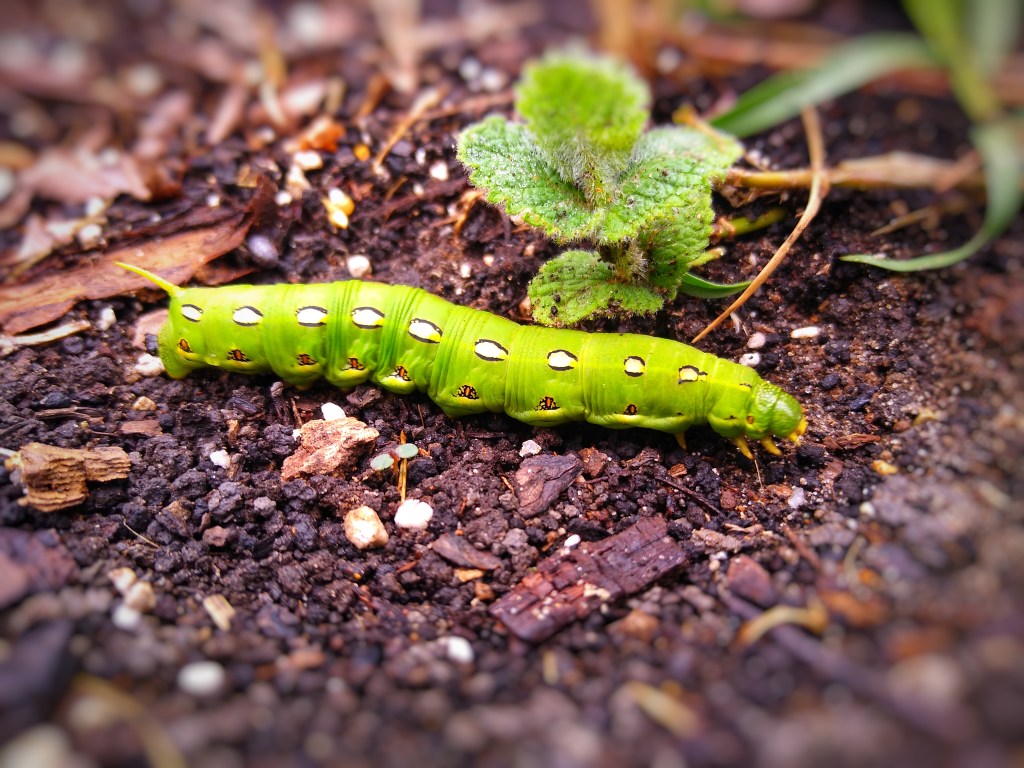
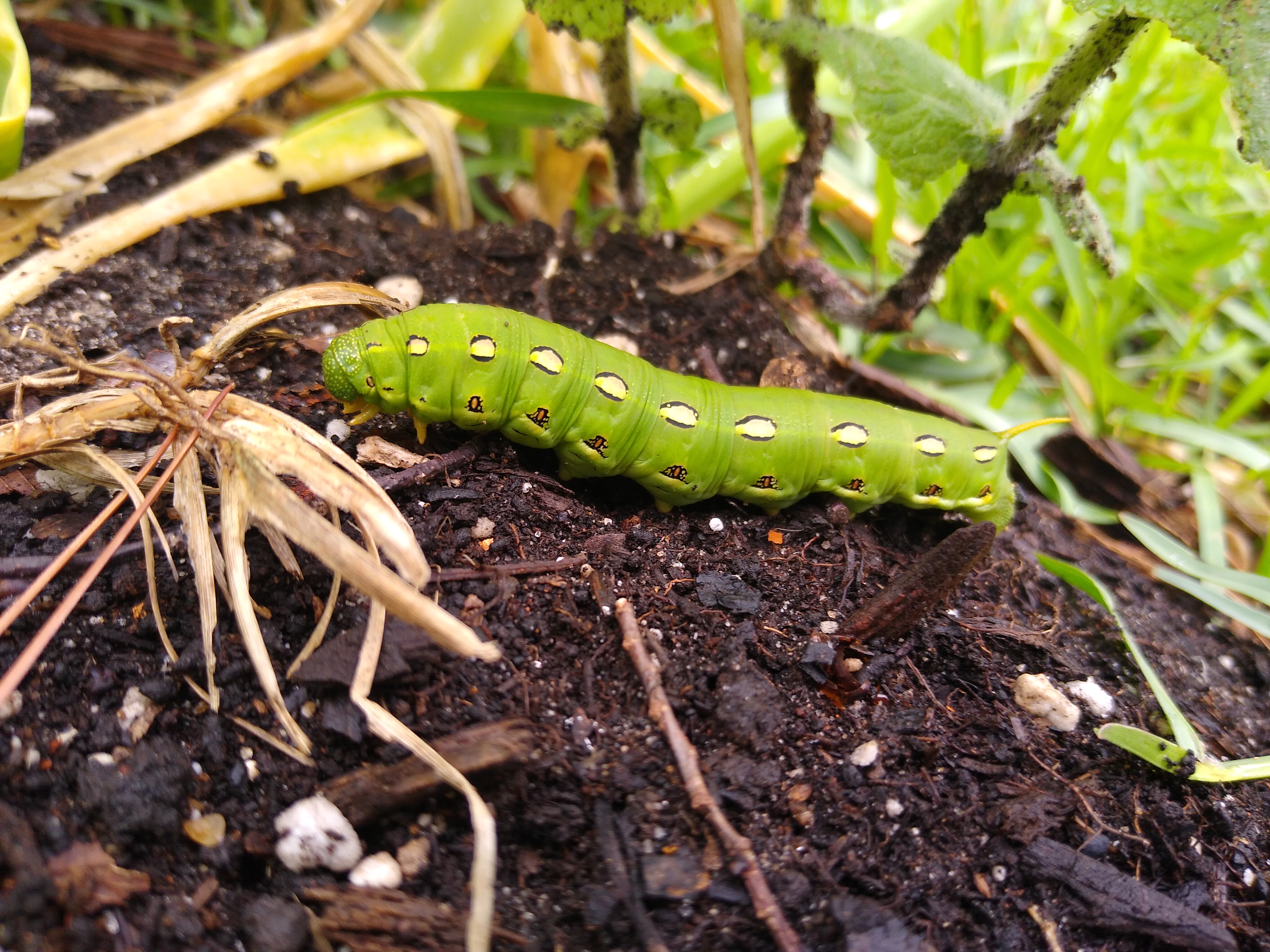
The first one I saw was big! It was over three inches long. After looking online, I believe it’s the caterpillar of the White Lined Sphinx moth, Hyles lineata. At this size, they are ready to burrow underground to pupate. Interestingly, there are many different color morphs of these caterpillars, so my caterpillar may not look like yours at all, colorwise. They can also be quite black.

The next caterpillar was found on my toadflax plants. They are wildflowers here and one year I discovered that there were all of these little caterpillars munching away on them. I had to identify them and found they the Common Buckeye, Junonia coenia, a truly beautiful butterfly.


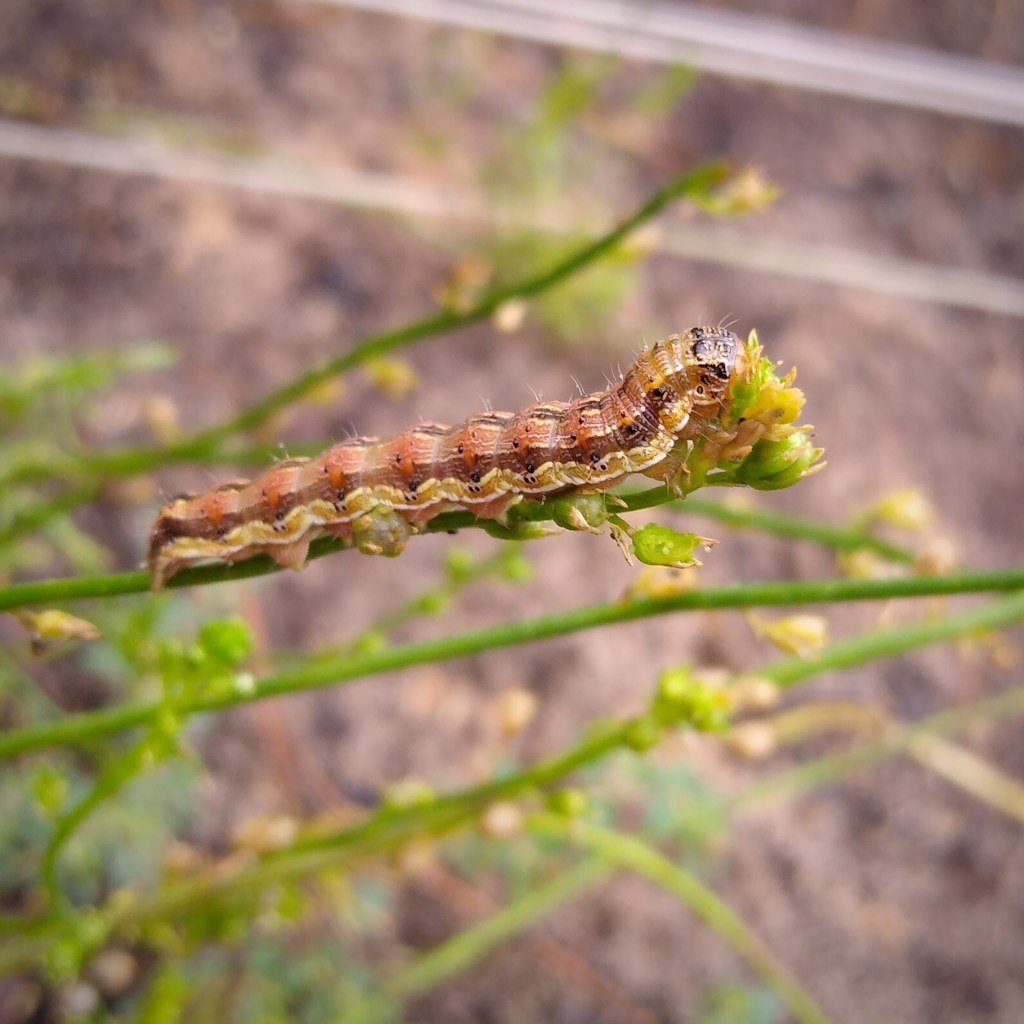
As I was looking at the Buckeyes, I found another caterpillar I hadn’t seen before. This was a Tobacco Budworm, Heliothis virescens. True to its name, it was eating the buds of a toadflax. I think I’ll go pick him off later. I don’t need anything eating my buds or flowers. At least not this one. These caterpillars tend to take on the color of the plant they are eating on, so again, this one may look different from one you find.

Next we move onto some more annoying agricultural pests. These feed on cole crops, like broccoli, cabbage, kale, bok choi, etc. First up, the Cabbage Looper, Trichoplusia ni . Ugh. They have tiny little heads but eat like they are the size of an elephant. Gahhhhhh, these drive me crazy. Please note the tiny, wasp-like thing. I have no idea what it is but 3 years after taking this picture, I just now noticed it!

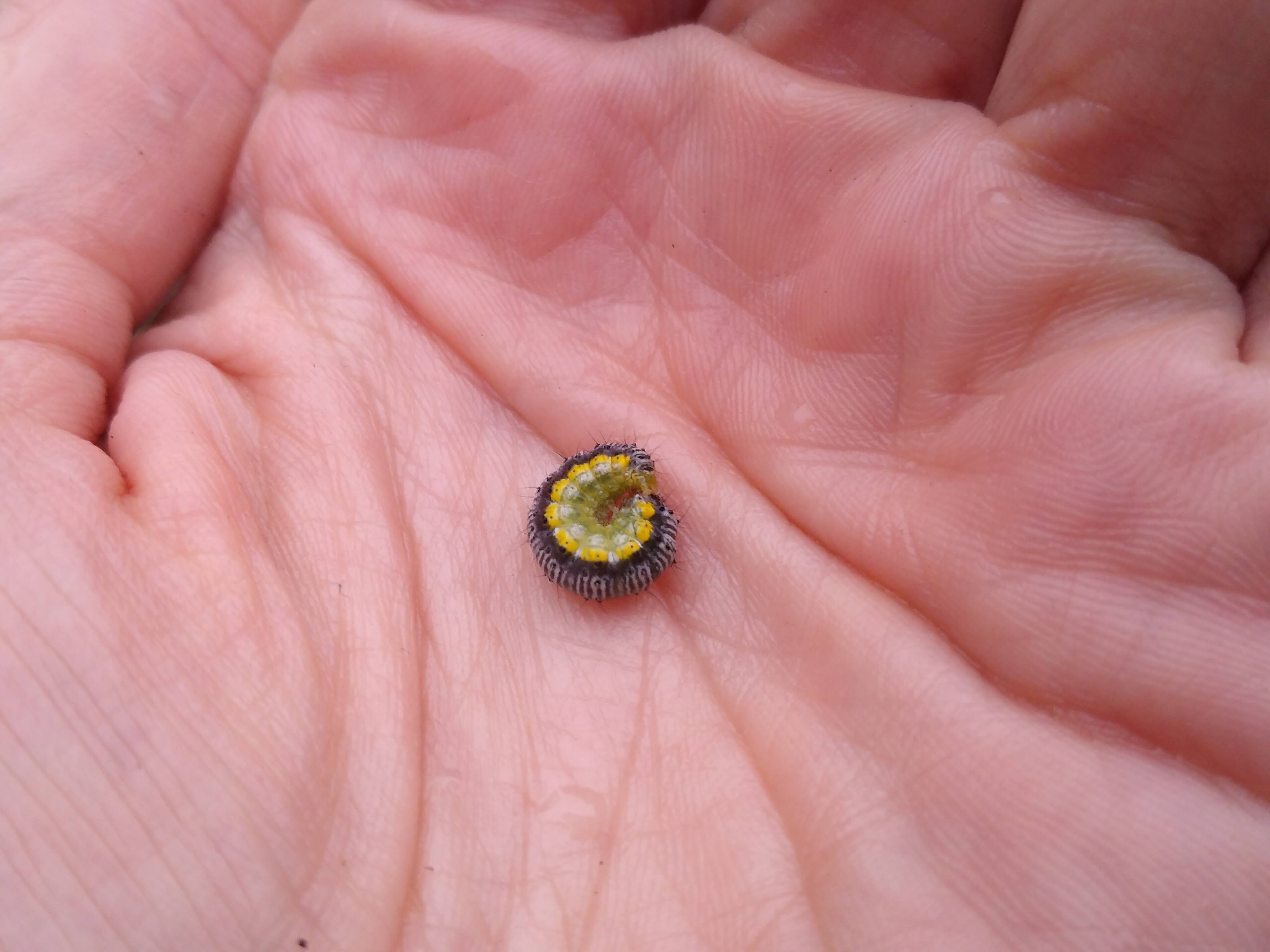
Now let’s go to my other enemy, the Cross-Striped Cabbageworm, Evergestis rimosalis…This one is just as destructive and there are usually far more of them found together than the Looper. They are the worst! However, I use a Bt (Bacillus thuringiensis) spray by Monterey that works wonders. You can also use a spray containing spinosad, but I haven’t tried this. The absolute SECOND you see holes in your crops, spray it down! You’ll be able to keep things like kale even throughout our horrible Texas summers if you do (unless the drought gets them of course. At least it won’t be caterpillars!).

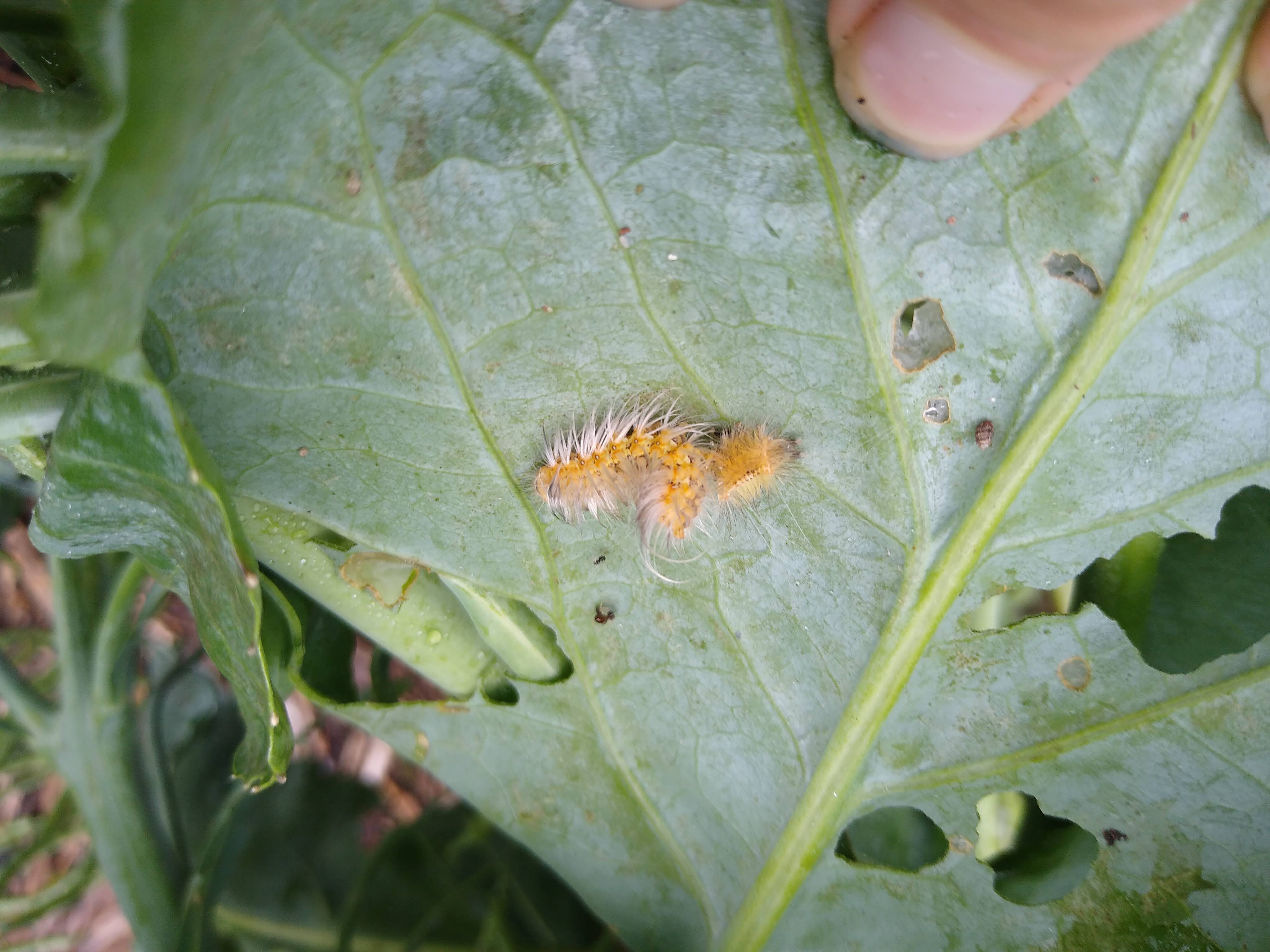
Now the next one is what I’m pretty sure is a Saltmarsh moth (Estigmene acrea) but I’m not positive. That year, we have a ton of them crawling all over the roads. They come in just about every color, so it makes it harder for me to identify.

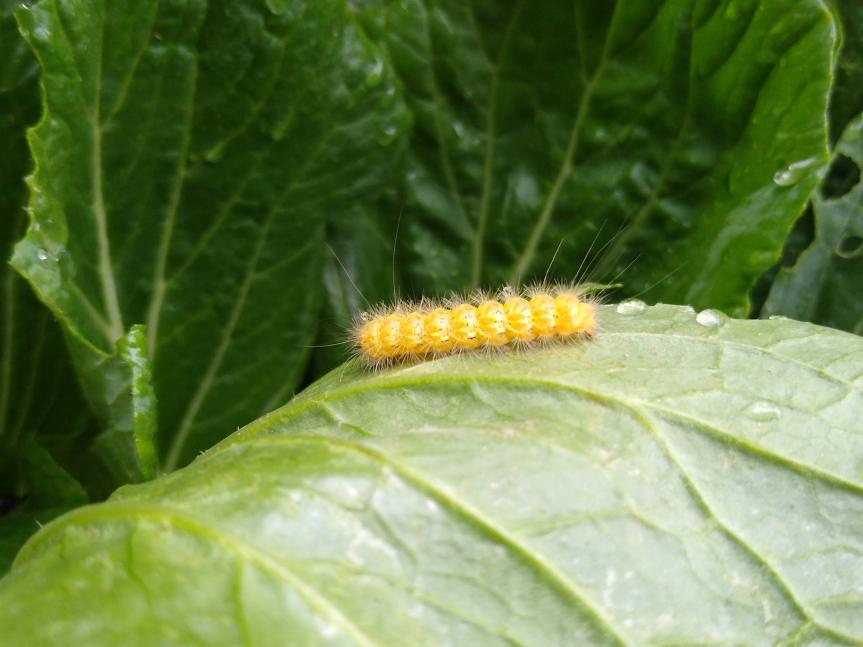
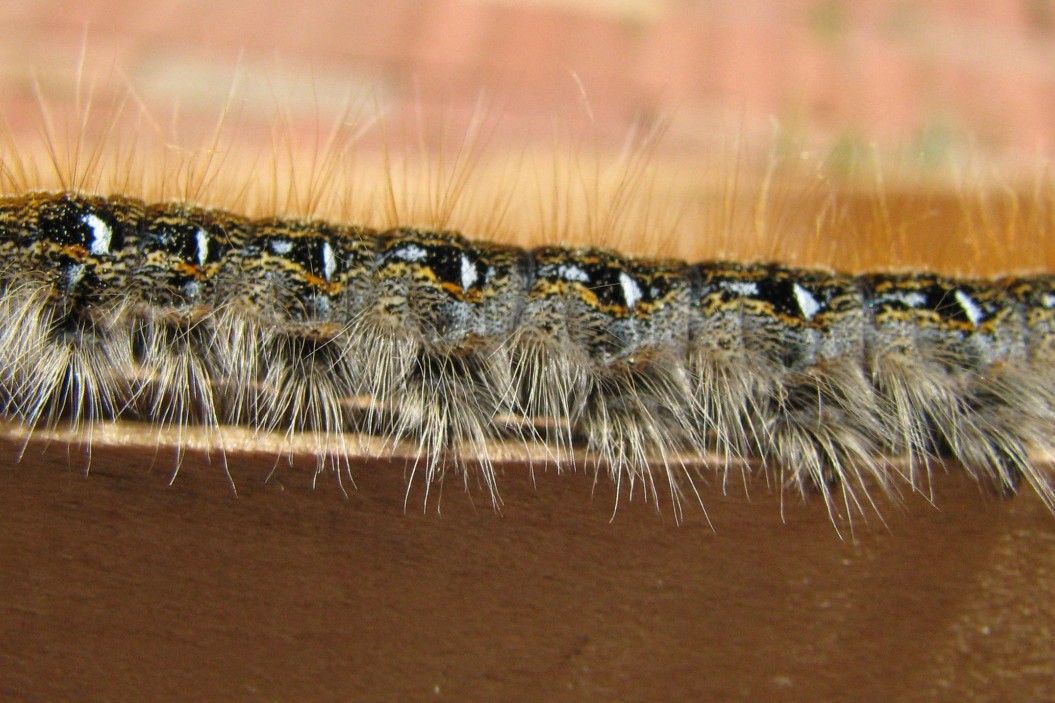
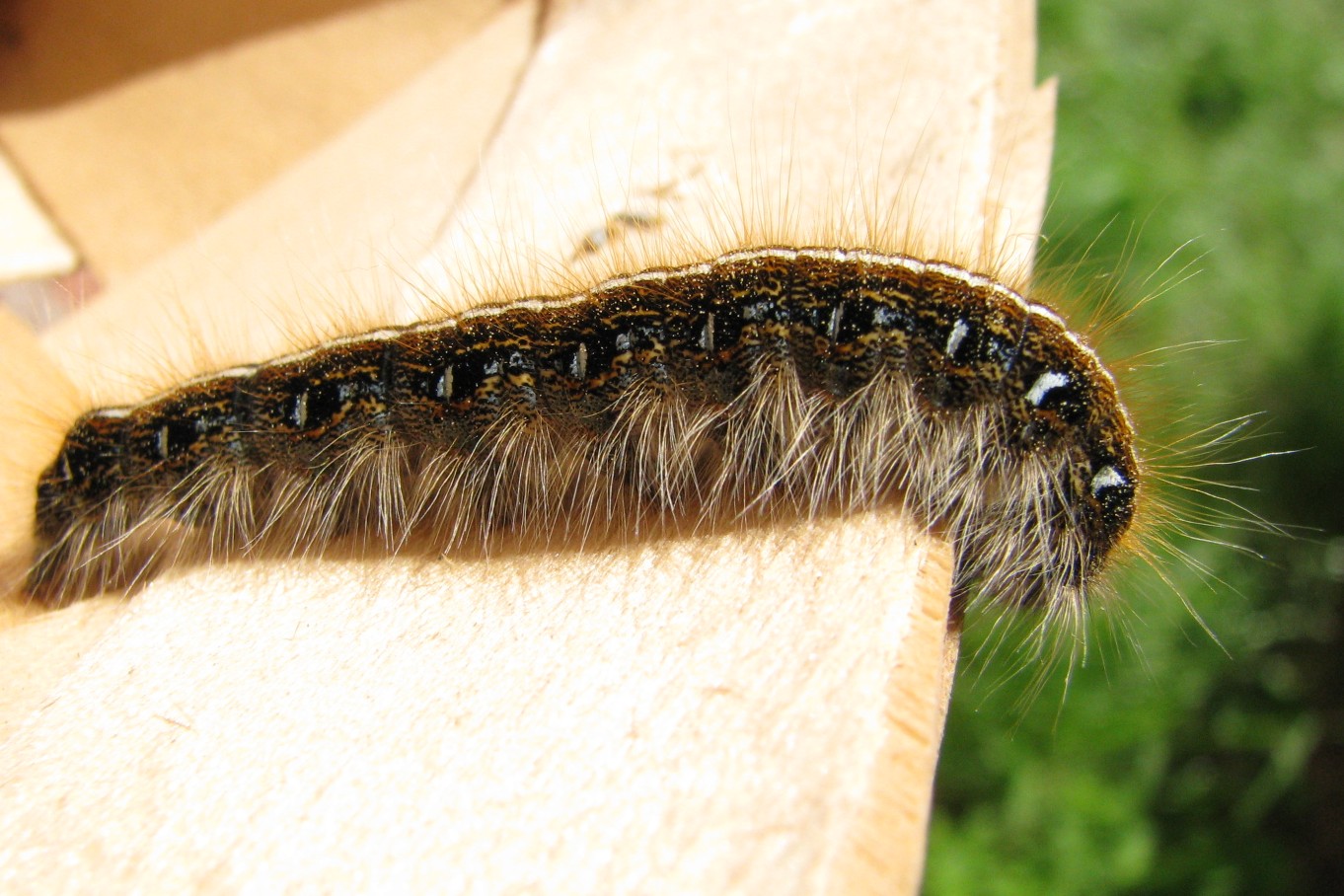
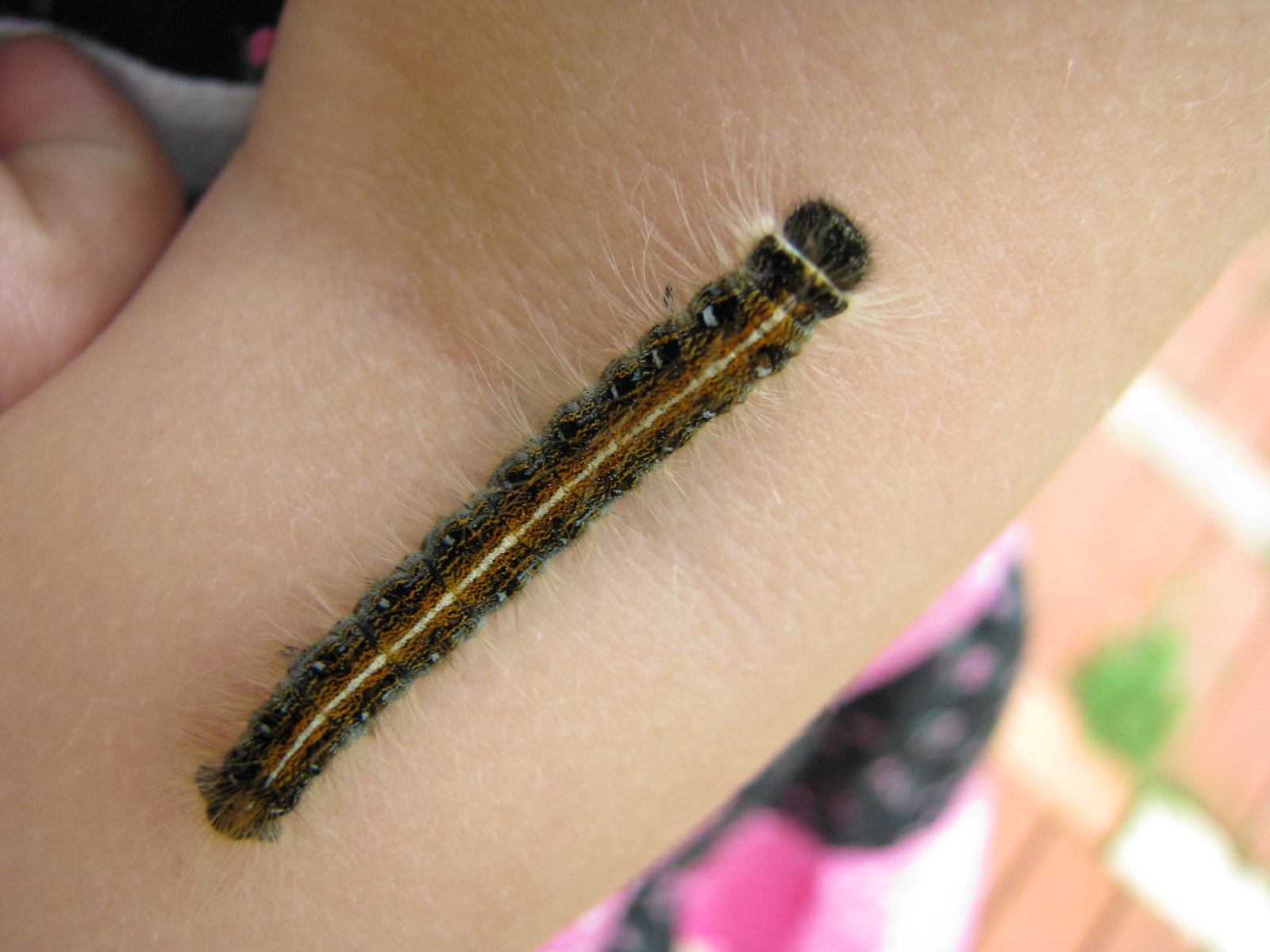
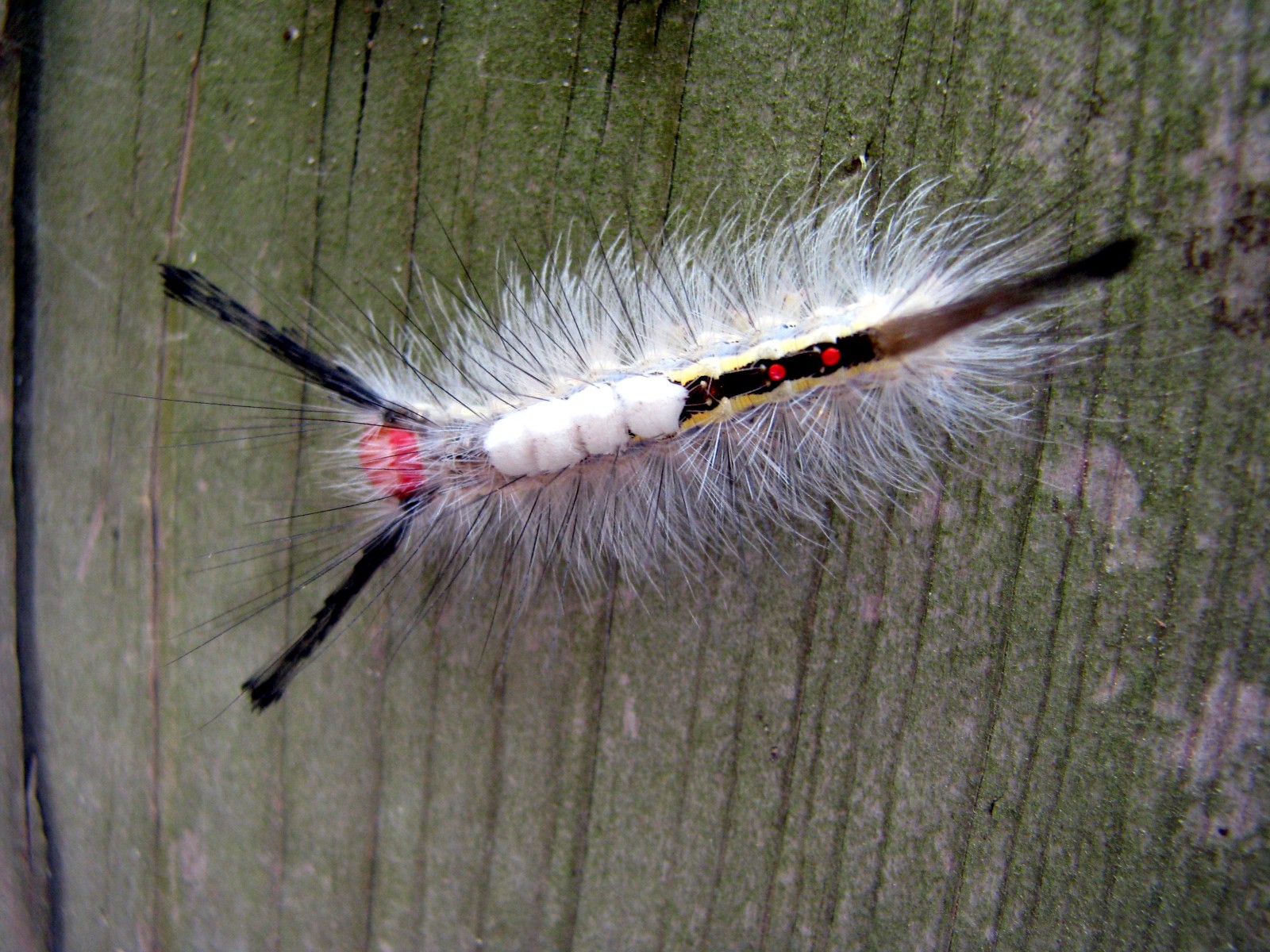
Last of all, we have a freshly molted mystery caterpillar. I think it may be a Yellow Bear AKA Virginian Tiger Moth (Spilosoma virginica). What do you think?
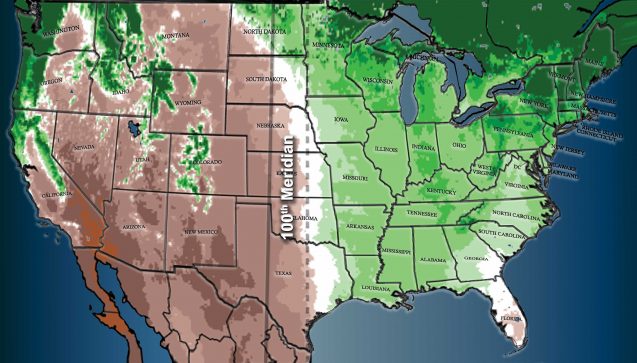
Thanks for taking the 2021 tour of the Caterpillar Village with me! I hope it helps you to identify some of your caterpillars this year. If you are a book-a-holic like me and you need more caterpillar ID in your life, I can’t recommend the book Caterpillars of Eastern North America by David L. Wagner enough. I use this guide every single year. It is for species east of the 100th meridian (see below):
Otherwise, I use Google Lens through my camera app on my phone, but it’s iffy in some cases so I just go home and refer to my book. That’s Gen X for ya!
Now to see what the 2024 ‘pillar season will bring!
 My Little Country